Supplemental Food
- Overseeded swales with natives.
- Will make seed balls for specific areas (see seed list).
Posted in
1998 Journal, Food
Supplemental Shelter
- Retained old snags for cavity dwellers.
- Left some downed logs when collecting firewood and downed brush for swales.
- Bird houses
- Bluebird house at pasture well.
- Bat box is curing to be erected this spring at river bluff.
- Left brush piles
- At clearings.
- Behind barn.
- Along road.
- Maintained woodlands throughout.
Posted in
1998 Journal, Shelter
Census Counts
- See plant and animal and bird lists.
- Keep diary at barn and invite visitors to record nature observations.
Posted in
Census, 1998 Journal
Caretaker's note:
The format of the watersto_jennystone activities reports has changed over the years. The earlier reports often consisted of observations from the entire year without reference to when they occured. These reports are logged in the Journal around the time they were submitted. Over time, activities were documented more precisely with regard to season, or month and often to the exact day. The process of logging activities, fosters a deep connection to and respect for nature that inspires greater understanding of this unique ecosystem.
The goal of Wildlife Management is maximum diversity. These lists document the base line of species found at watersto_jennystone during 1996.
The plant and animal species list should continue to grow over time as a result of Wildlife Management implemented at watersto_jennystone.
Posted in
1996 Journal
watersto_jennystone Flora Observed in 1995-96
Trees
- Cedar Elm - abundant large
- 'Cedar' Juniperus virginiana - abundant, a few mature tress, good cover for all wildlife
- Live Oak - abundant, deer like these, resprouts in April, cage seedlings from deer
- Post Oak
- Bur Oak
- Mesquite - coming up at pasture well
- Bummelia - large one below, smaller ones on edge smell good
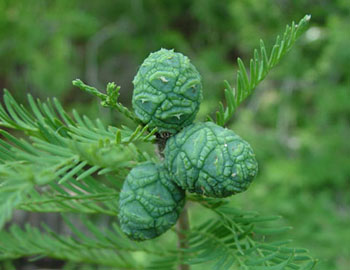
- Bald Cypress - 60-80 ft. tall at river front
- Texas Persimmon - abundant black berries, attracts birds, raccoon
- Spanish Oak - red leaves in fall at lower road (cut cedars away from these)
- Black River Ash - below
- Hackberry - scattered
- Mexican Buckeye - on rock bluff, propagate elsewhere
- American Elm
- Box Elder - 3-leaf, maple-like, many below, found chewed stick, beaver teeth marks
- Pecan - large below, transplant elsewhere, near draw sprouting from fallen tree
- Red Mulberry - below, propagate elsewhere
- Chinaberry - remove
- Sycamore - at water's edge
- Leatherleaf Dogwood - more!
- Ashe Juniper - a cedar tree, single trunked
- Escarpement Black Cherry - sprouting many trunks from fallen tree in Red Oak grove, propagate
- Black Walnut - below
- Basswood - below, big round leaf, reseed up top
- Dollar Ash
- Wafer Ash
- Skink Ash
- Hill Country Redbud
- Mexican Plum
- Kidney Wood - deer like???
Wildflowers
- Baby Blue Eyes - many blooming in early spring below
- Blackfoot Daisy - likes rocky ground
- Bluebonnet
- Columbine - red, late April bloom, on slopes in shady sites, on rock bluff
- Heart shaped leaf - vine scattered near draw
- Indian Blanket
- Mexican Hat - pasture well
- Mullein
- Nettles - below
- Pink Primrose
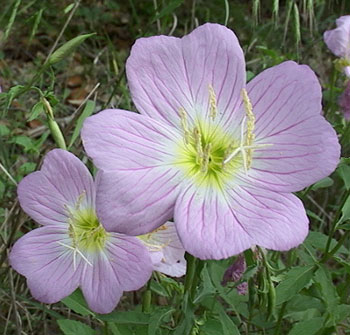
- Prairie Verbena - short, purple flower cluster
- Purple Coneflower - planted seed below
- Purple Thistle - pasture well
- Rain Lily - good smelling white flower, pops up after rain, scattered throughout
- Sunflower - below
- Turk's Cap - red flowers and fruit for hummers and birds, collect seed for planting up top
- Two-leaf Senna - single yellow flower, daisy-like, quail and dove eat seeds, deer don't eat
- Yellow Columbine - planted seed below
- Wild Onion
- White Water Lily
- many other wildflowers unidentified
Grasses
- Big Muhly
- Bushy Bluestem - extra fluffy, lone plants on river island, reseed in draw up top
- Curley Gramma - teensy gramma
- Drop seed - seeds tucked in sheath
- False Tridens
- Tall Gramma - scattered throughout (NE)
- Hairy Hexmonia
- King Ranch Bluestem - exotic, pull these out
- Little Bluestem - red stem, fluffy tops, for turkey area
- Love Grass - note 'braided' seedhead
- Paniculum - 'witch grass'
- Seep Muhly - single seed head
- Sideoats Gramma - throughout
- Silver Bluestem - silver, hairy, elongated seed tops (looks similar to KR Bluestem)
- Slim Tridens
- Three Awn Caristida - throughout
- Windmill grass - pasture well
Other Flora
- Agarita - abundant, attracts birds and bees
- Cenizio - creosote bush
- Elderberry Bush - below along river's edge, help propagate at other river fronts for birds
- Four O'Clocks - jungle below, bees, butterflies, hummers
- Frostweed - throughout, tall like ragweed but square stemmed
- Giant Ragweed - large plants at river bottom
- Greenbriar - below, in Cedar thickets near well
- Maidenhair Fern - below on bluff face
- Mushrooms - large variety, orange half moons on fallen logs, ruffled cream colored etc.
- Passionflower Vine
- Poison Ivy - deer, scattered
- Possomhaw Holly
- Prickly Pear Cactus
- Rainbow Ice Cactus - pretty pink flowers
- Western Soapberry - in lower clearing
- Virginia Creeper - 5-leaf vine, turns red in fall, abundant below
- Wild Grape - propagate these throughout
- Yaupon Holly - bluff area
- Yucca - scattered throughout
Posted in
1996 Journal, Habitat
